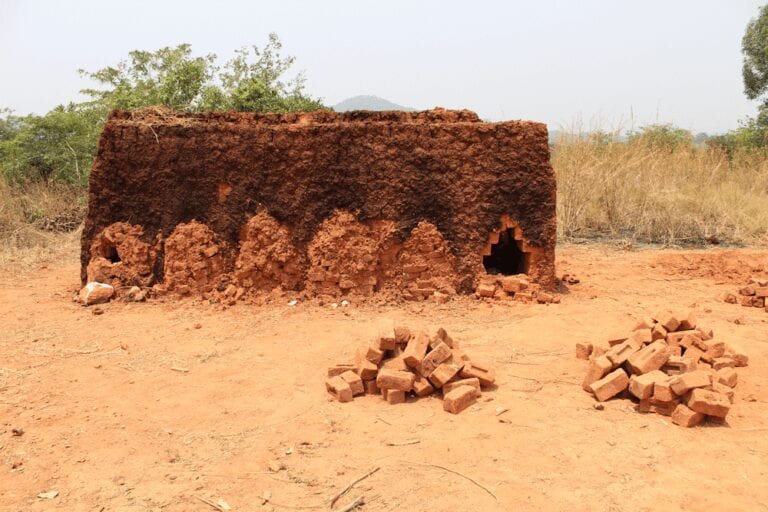
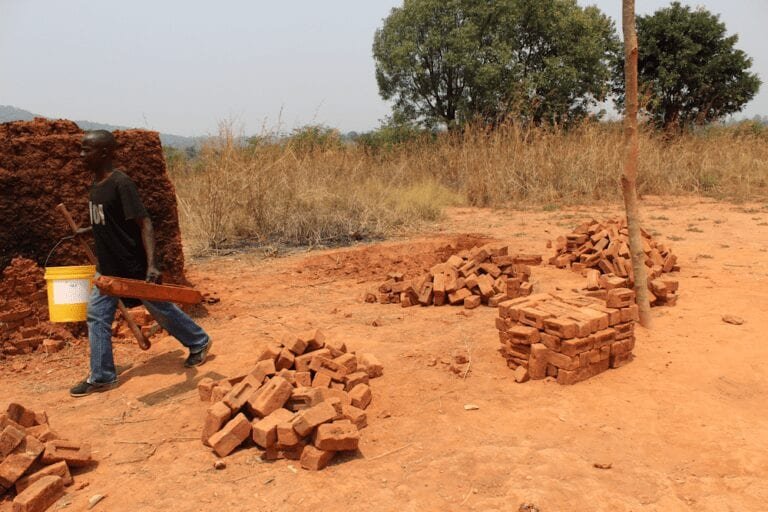
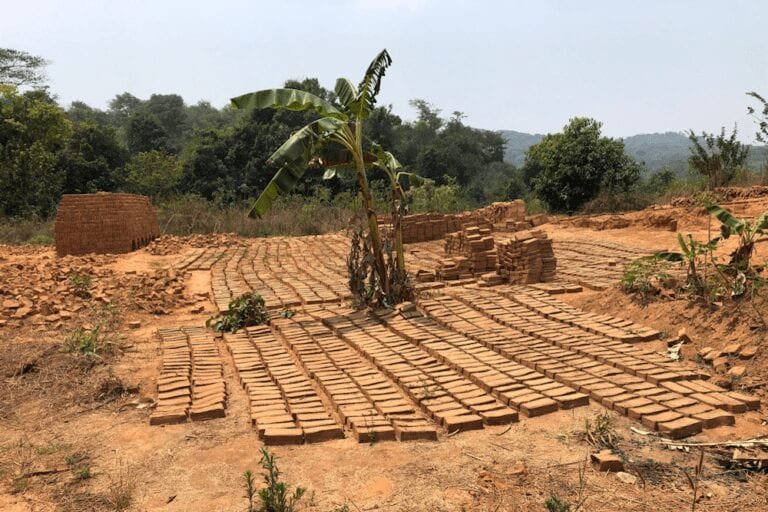
Making and drying bricks for a community building in Gulumu, one of the remoter villages
A 2016 survey (available here) showed that almost 80% of people in Malenga Mzoma lived on little more than 50p a day. This is absolute poverty, where income is so low that basic needs can’t be met and where one in eight people eat only once a day.
Highly-developed economies are able to afford services and infrastructure because they have significant tax revenue and they are able to borrow on international money markets at favourable rates.
Neither of these options are available to Malawi.
For decades it was hoped that funding development would raise everyone out of poverty. Alas, this approach doesn’t reach the bulk of the population directly because the need is so great and the funding is so relatively small – and that’s before massive cuts by agencies such as USAID.
The Capacity Foundation’s solutions are to develop the local economy so that more people are earning, to found social enterprises that substitute for tax revenue, and to provide skills that enable people to make a living.
All of these objectives were identified by the community during discussion is 2015-16 and were fleshed out by the baseline survey in 2016.
The loans programme injects investment by enabling people to start or grow a business. As the size of the loans increases, more people can take part and the greater economic activity circulates more cash locally, providing more purchasing power.
A Capacity Foundation survey found that, of the people in Malenga Mzoma who are in business …
FEEL THEY LACK BUSINESS SKILLS
20%
BELIEVE THEY HAVE TOO FEW CUSTOMERS
16%
THINK THERE'S TOO MUCH COMPETITION
14%
Because the loan system channels some money into the Social Action Fund (a type of community chest) it becomes possible to invest in local projects.
This type of highly focussed approach, attuned to very local needs, is not possible under conventional international aid paradigms.
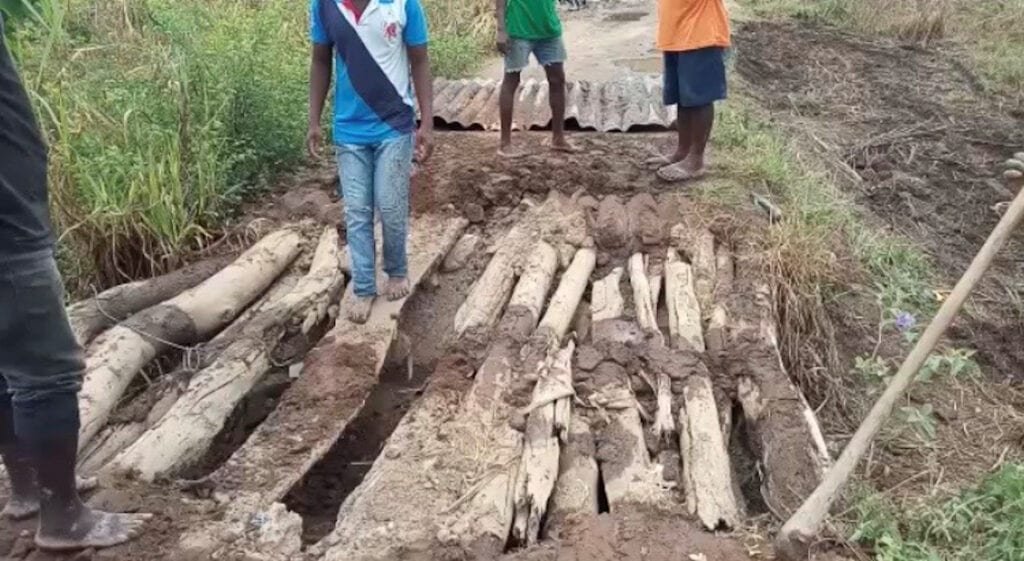
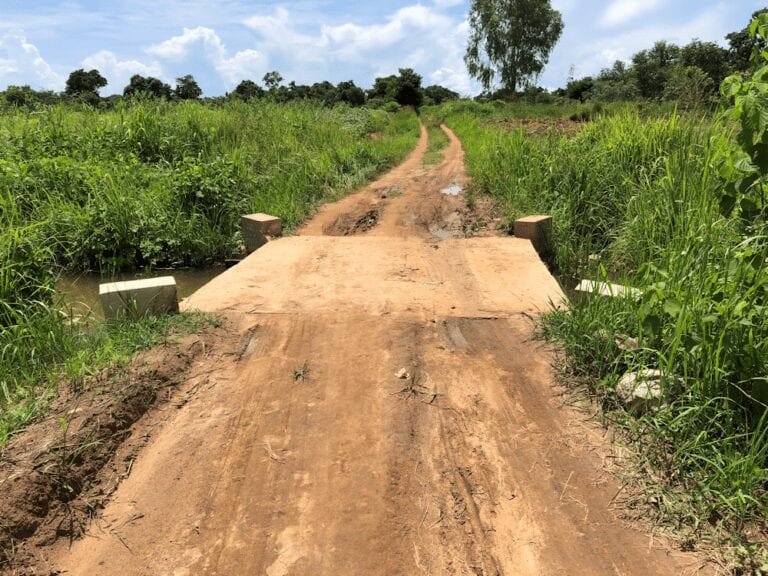
The first projects that people in Malenga Mzoma decided to pay for from the Social Action Fund were four bridges and culverts that had been damaged by flooding or had fallen into disrepair.
(Photos show the Seventh Day road bridge before and after being repaired.)
The power to do this derived directly from the surplus funds generated by the Foundation’s business microloans programme. Neither the Malawi Government nor NGOs had the resources to make the repairs.
An Area Development Committee operates in Malenga Mzoma, representing the forty villages. In this video, chairperson Simeon Lotie Mhone describes the impact of the Social Action Fund.
The Chanju supermarket (called a superette in Malawi), wholly owned and run by the Foundation, sells groceries and household goods from its premises in Chintheche (where our office is also located).
Chanju pays some of its profit to the Foundation as a contribution to the Foundation’s costs – currently, Chanju is covering over a quarter of Capacity’s annual needs.
Chanju helps stimulate the local economy in other ways as well. It employs seven people, and they in turn spend their wages locally; and it purchases some stock from local suppliers, adding to the growth of the local economy.
In September 2025 an appeal started to build, equip and stock a second Chanju. The new superette will be in Chipitula, a neighbourhood of the biggest city in north Malawi, Mzuzu (about 52 miles from our base at Chintheche).
Chanju Chipitula will be much bigger than Chintheche, and is situated among a much larger and more affluent population (with commensurately greater disposable income).
As well as foodstuffs, Chanju sells a wide range of personal and household products.
The second store will be much larger than the present one in Chintheche.
Our target is to raise £50,000 ($67,000) from loans that will be repaid over five years. The money will be raised in the UK and passed over to the Malawi side, with the loans and interest being repaid from the new superette’s profits. It is anticipated that the new shop will produce about three times as much to the Foundation as the Chintheche shop does – going a long way to making the charity’s operations in Malawi fully funded from within the country. It is hoped the new superette will be open by 2026.